The Restaurant & Bar Owner’s Guide to Commercial Insurance in California
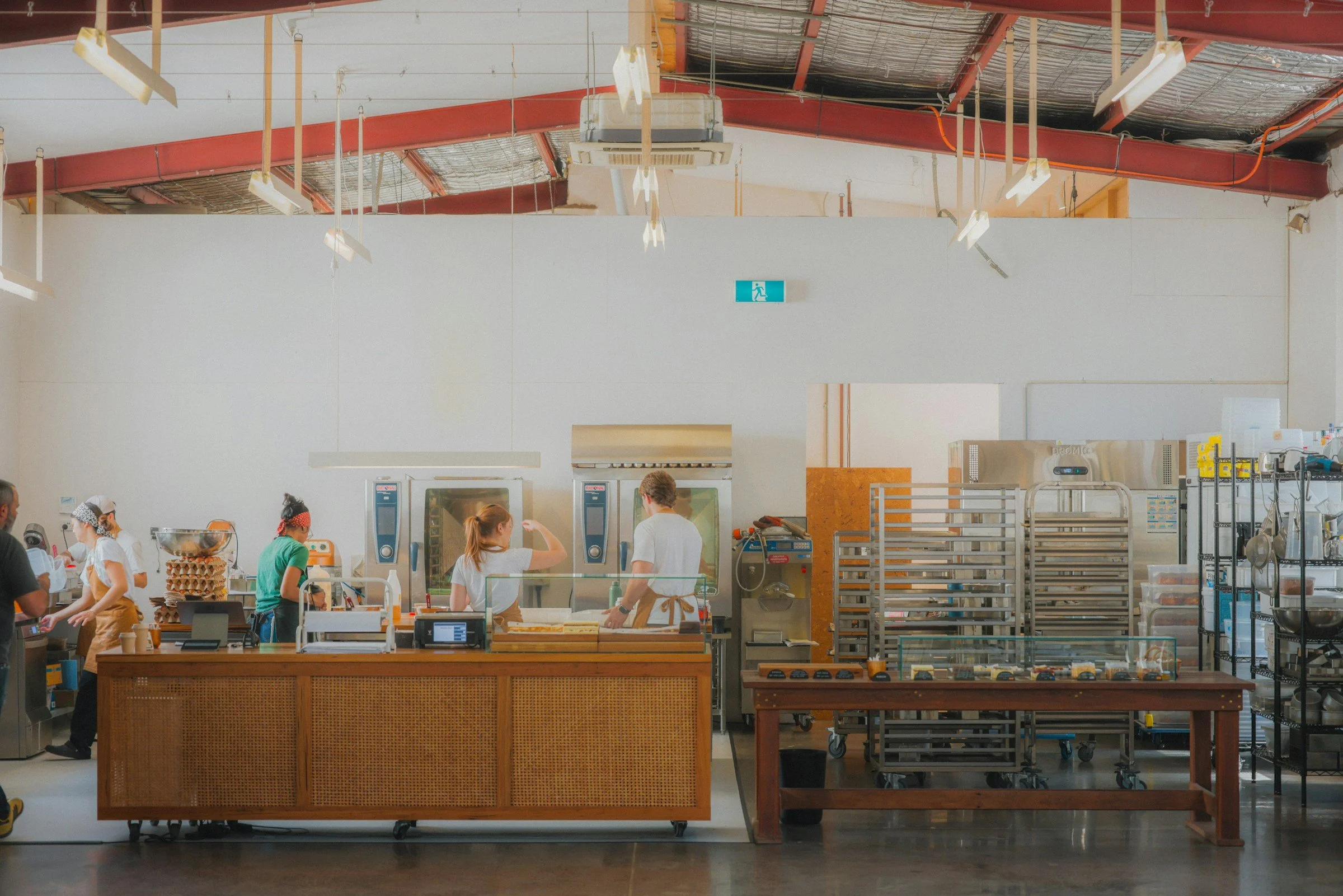
Restaurants, bars, cafes, and other hospitality businesses face a wide range of risks, and insurance needs can vary significantly from one operation to another.
A neighborhood coffee shop has different exposures than a cocktail bar that's open until 2 a.m. A family-owned restaurant with a small staff faces different challenges than a restaurant group operating multiple locations.
With so many moving parts involved in running a hospitality business, understanding which insurance coverages are necessary—and which are optional—can be difficult.
At Wang Insurance Agency, hospitality is one of our core specialties. We work daily with restaurant and bar owners across San Francisco and the Bay Area to build insurance programs that actually match how their operation runs, not a generic template.
This guide outlines the insurance policies restaurant and bar owners most commonly consider, what each coverage does, and why it may be important for your business.
1. General Liability (GL)
General Liability is the foundation of most hospitality insurance programs.
This is the policy that responds when a customer slips and falls, a guest is injured on your premises, or your business causes damage to someone else's property. It's also one of the first coverages landlords, lenders, and vendors will require before doing business with you.
Many restaurants qualify for a Business Owner's Policy (BOP), which combines General Liability and Property coverage into a single package. Depending on the operation, this can often be the most cost-effective approach. BOP eligibility depends on your size, sales volume, and risk profile.
2. Liquor Liability
If your establishment sells, serves, or even gives away alcohol, standard General Liability will not cover claims arising from alcohol service. This is one of the most misunderstood gaps we see.
Liquor Liability is a separate coverage that can help protect your business when an intoxicated patron causes injury or property damage after being served alcohol at your establishment. For example, a claim could arise if a guest who was allegedly over-served later injures a third party.
California's dram shop laws generally limit liquor liability exposure compared to some other states, but they do not eliminate it. Claims involving minors, allegedly intoxicated patrons, or off-premises injuries can still create significant legal and financial exposure.
For bars, breweries, nightlife venues, and restaurants with significant alcohol sales, it's also important to ask about Assault & Battery coverage. Many carriers exclude this exposure—or severely limit coverage—unless it is specifically added by endorsement.
3. Employment Practices Liability Insurance (EPLI)
Employment-related claims are one of the most common issues we see across the hospitality industry.
Hospitality has one of the highest EPLI claim frequencies of any industry, and California is widely regarded as one of the most plaintiff-friendly states in the country for employment-related claims. Discrimination allegations, harassment claims, wrongful termination lawsuits, wage-and-hour disputes, and ADA-related complaints are all common exposures for restaurants, bars, cafes, and other hospitality businesses.
EPLI helps cover defense costs, settlements, and judgments arising from these employment-related claims—costs that are typically excluded under General Liability and Workers' Compensation policies.
Given California's regulatory environment and the frequency of employment claims in hospitality, we consider EPLI close to essential for any restaurant or bar with employees, not simply an optional add-on.
4. Commercial Property & Business Income
If you own a building, Commercial Property coverage protects the structure itself. For tenants, it protects improvements you've made to the space along with business personal property such as:
Kitchen equipment
Walk-in coolers and refrigeration
Furniture and fixtures
Inventory
Point-of-sale systems
Tenant improvements
Many restaurant owners focus on replacing damaged equipment but overlook Business Income coverage.
Business Income (sometimes called Business Interruption coverage) helps replace lost income when a covered loss forces your business to temporarily close. A kitchen fire, burst pipe, or major water loss can shut down operations for weeks or months. Without Business Income coverage, even a covered property claim can create serious financial strain.
One important California note: earthquake damage is excluded from standard commercial property policies and must be purchased separately. Depending on the property's location, wildfire exposure may also affect carrier availability, underwriting requirements, and pricing.
5. Crime Insurance
Restaurants and bars are cash-intensive, high-turnover businesses — a combination that creates real exposure to employee theft, embezzlement, robbery, forgery, and various forms of fraud.
Crime Insurance (sometimes called Employee Dishonesty or Fidelity coverage) helps protect against losses from theft by employees, as well as forgery, computer fraud, and robbery of money and securities on or off premises.
Given how much cash and inventory moves through a typical food and beverage operation, this is one of those coverages many owners skip — usually right before they need it.
6. Workers' Compensation
Workers' Compensation is mandatory in California for virtually all employers.
It covers medical costs and lost wages for employees injured on the job — and in a commercial kitchen, that includes everything from burns and lacerations to slip-and-fall injuries and repetitive strain.
Many restaurant owners are unaware of how significantly proper classification impacts both premium costs and regulatory compliance. Restaurant and bar payrolls frequently involve multiple WCIRB classifications, including kitchen staff, servers, bartenders, and management. Incorrect classifications are among the most common audit issues we encounter and can often lead to costly adjustments.
Your Experience Modification Rate (X-Mod) also directly impacts your premium, and an unfavorable claims history can follow you across multiple renewal cycles. A strong safety culture and effective claims management program can help keep your X-Mod under control over time.
7. Cyber Liability
Most restaurant and bar owners don't think of themselves as technology businesses, but if you process credit cards, use a POS system, accept online orders, maintain customer data, or operate a loyalty program, you have cyber exposure.
A data breach, ransomware attack, or payment processing compromise can lead to notification expenses, legal costs, regulatory issues, and business interruption.
Cyber Liability coverage is becoming increasingly important—even for smaller restaurants and bars.
8. Commercial Auto & Hired/Non-Owned Auto
Even if your restaurant doesn't own a vehicle, there may still be auto liability exposure. If employees use their personal vehicles for deliveries, bank deposits, catering runs, supply pickups, or other business purposes, Hired & Non-Owned Auto coverage may be worth discussing.
Many restaurant owners are surprised to learn that their employee's personal auto policy may not fully protect the business if an accident occurs while the employee is performing work-related duties.
Why Your Premium Isn’t What Your Neighbor Pays
This is probably one of the most common questions we receive.
The reality is that insurance companies evaluate hospitality risks very differently, and pricing isn't based on a single factor.
Some of the biggest drivers include:
Annual sales
Payroll
Square footage
Alcohol sales as a percentage of total revenue
Hours of operation
Number of employees
Claims history
Live entertainment, DJs, or dance floors
Whether the operation is full-service or counter-service
For example, a restaurant that closes at 10 p.m. will typically be viewed much differently than a late-night bar operating until 2 a.m.
Likewise, a restaurant generating 20% of its revenue from alcohol may qualify for markets that won't consider a venue generating 80% of its revenue from alcohol sales.
This is where working with an insurance broker who understands hospitality can make a significant difference. Knowing which carriers are a good fit for your operation often saves time, frustration, and unnecessary declines.
Let's Build the Right Insurance Program for Your Restaurant or Bar
Hospitality risk isn't one-size-fits-all, and neither is the right insurance program. Whether you're a single-location counter-service spot or a full-service restaurant group with a late-night bar program, Wang Insurance Agency can help you put together coverage that matches your actual operation — and find carriers that understand hospitality risk rather than penalizing it.
Some businesses need a straightforward package policy with workers' compensation. Others need a more specialized program with liquor liability, EPLI, cyber coverage, crime insurance, and higher liability limits.
Our goal is to help restaurant and bar owners understand their options, identify the exposures that matter most, and build an insurance program that fits their operation.
Disclaimer: This article is provided for general educational purposes only and does not constitute insurance advice or a binding coverage opinion. Coverage availability, terms, conditions, exclusions, and underwriting requirements vary by carrier and individual risk. Please consult with a licensed insurance professional regarding your specific situation.
